Greek Mythical Gods
By Finn Branan
Issue 10 (March 2026)
Mount Olympus- Mount Olympus is a place where the mythical Greek gods live.
Zeus- Is the king of every god and the god of sky. As the chief Greek deity, Zeus is considered the ruler, protector, and father of all gods and humans. Zeus is often depicted as an older man with a beard and is represented by symbols such as the lightning bolt and the eagle.
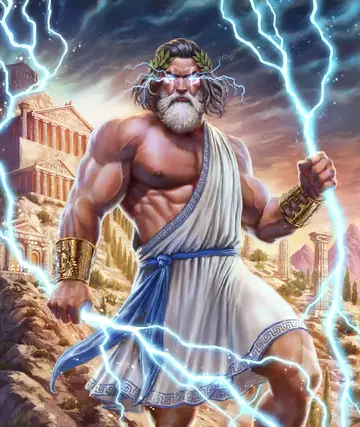
Ares- Ancient Greek god of war or, more properly, the spirit of battle. He represented the distasteful aspects of brutal warfare and slaughter. Ares was never very popular, and his worship was not extensive in Greece.
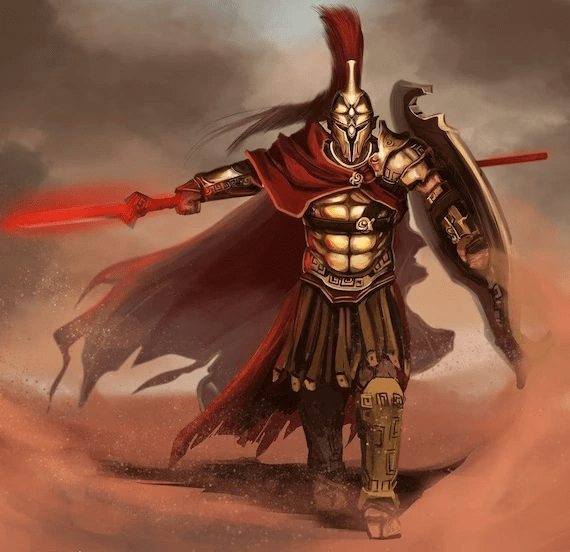
Hades- the king of the underworld and the god of death, who rules the underworld and guards the dead with Cerberus, a three-headed dog who guards the gates of the underworld. Brother of Poseidon and Zeus.

Posiedien- God of the sea, earthquakes, storms, and horses. He is usually drawn holding a three-pointed trident. The name Poseidon means “Lord of the Earth” and is Zeus and Hades’ brother.

Aphrodite- the goddess of love, desire, beauty, and pleasure. She is known for her vanity and strong influence. It is believed that she played a large role in the Trojan War.
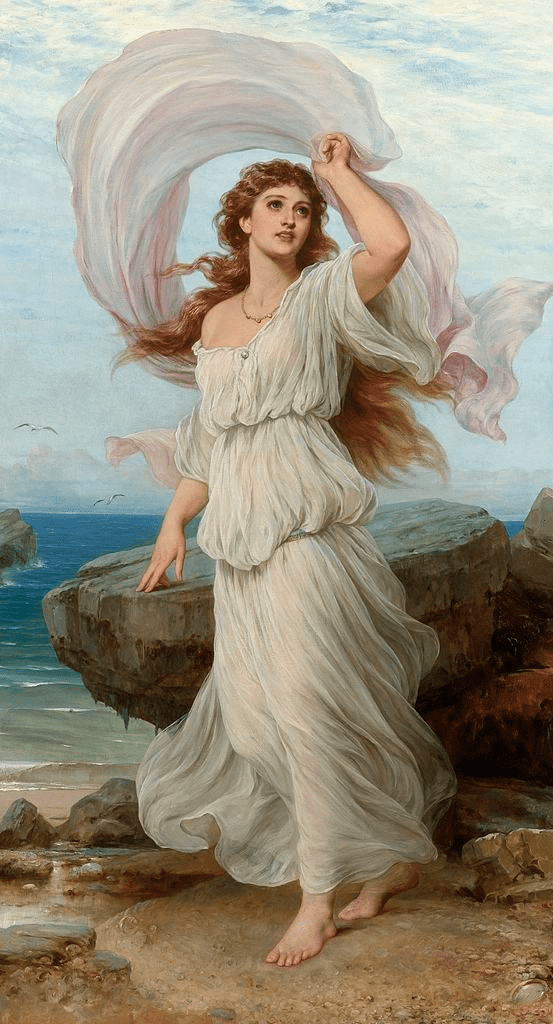
Helen- Not actually a god, but a demigod. She is the daughter of Zeus and Leda.
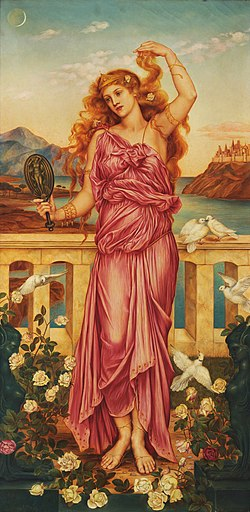
Hera- the goddess of marriage and the mother of the gods and she is the mother of Ares.
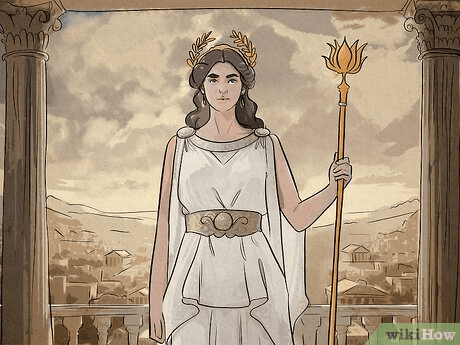
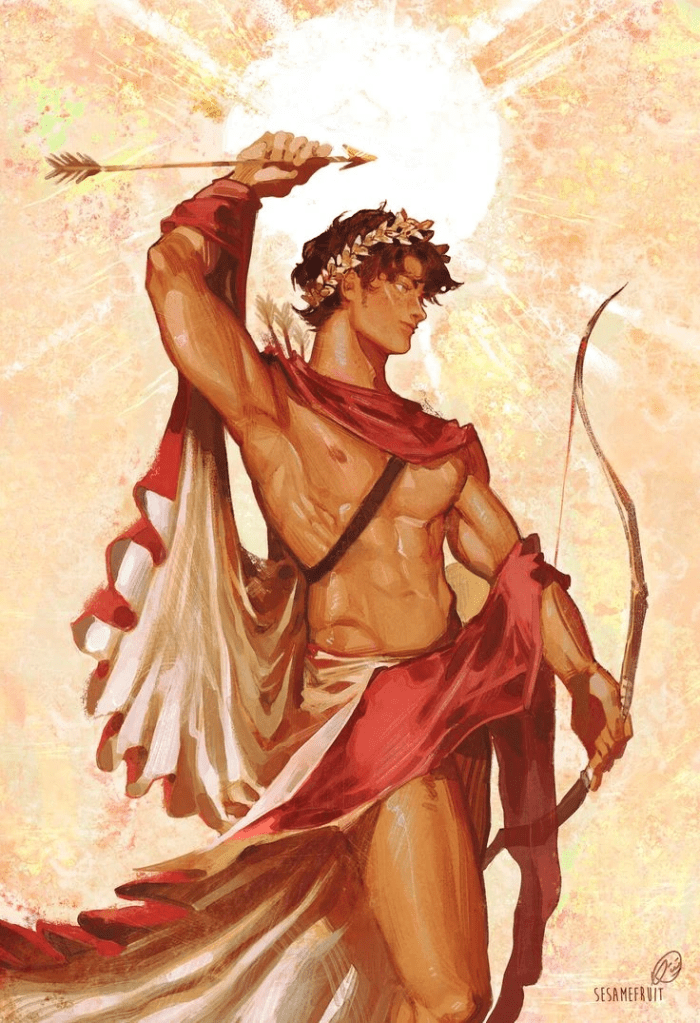
Apollo- the god of music, healing, prophecy, the sun, poetry, and archery. He is the son of Zeus.
Mrs. Cortazzo said that her favorite part of teaching Greek lessons is “That her students’ reactions when they hear the story and that they enjoy them.”
Mrs. Haggerty said that her favorite part of teaching Greek lessons is “When her students create games for their peers as a review and how much fun they have doing them.”
Mrs. Beer said that her favorite part of teaching Greek lessons is “That projects and learning are student-led and that the students come up with games to teach each other.”
Saint Patrick’s Day is celebrated around the world
By Evelyn Adams
Issue 10 (March 2026)
Saint Patrick’s Day, or the feast of Saint Patrick, is considered around the world an international celebration of Irish culture on March 17. Including parades and other festivities in 200 different countries, this holiday can be a lot of fun. Despite it only being a national holiday in Ireland, Northern Ireland, Newfoundland and Labrador, and the British overseas territory of Montserrat, other countries still find a way to show off some Irish pride, and it is now celebrated in more countries than any other national festival. Although the holiday was set on the day of Saint Patrick’s death, the US, UK, Canada, Australia, New Zealand, and many more countries around the world found a way to keep this holiday surprisingly upbeat.
Saint Patrick’s Day was declared an official Christian feast day in the 17th century, but it was also celebrated as a day to break any fasting or drinking of alcohol for the day. Present Saint Patrick’s Day celebrations have been greatly influenced by those who have developed among the Irish diaspora, especially in North America. Until the late 20th century, Saint Patrick’s Day was often a bigger celebration among the diaspora than it was in Ireland. There were also formal events to celebrate Saint Patrick’s day including dances and other lively activities. Since 2010, famous landmarks have been lit up in green on Saint Patrick’s Day for tourism and some good old Irish cheer.
Everyone celebrates Saint Patrick’s Day differently. Marisol Greene said, “I wear green, and my mom makes cake.” While Mason H stated,” I play outside in a leprechaun hat or put candy in my siblings’ shoes.”
Don’t forget to decorate your house or backyard with shamrocks, leprechauns, rainbows, or any other green or rainbow item that floats your boat. Happy Saint Patrick’s Day!
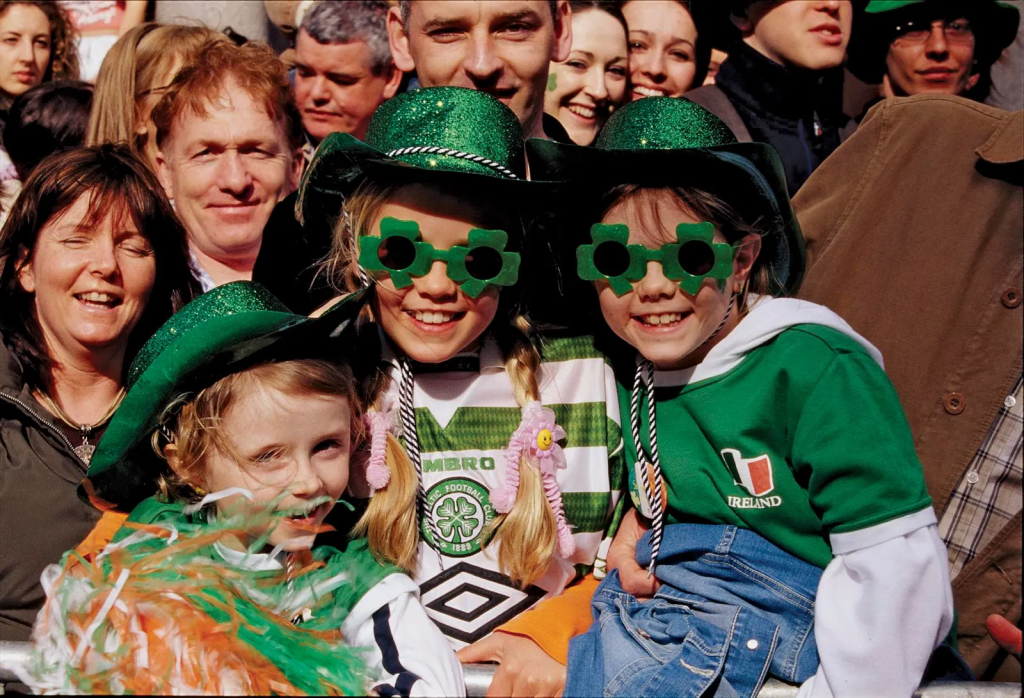
Children Celebrating Saint Patrick’s Day
The history of Valentine’s Day
by Sienna Oaks and Libby Sarneso
Issue 8 (February 2026)
Valentine’s Day is a holiday that is widely celebrated throughout the world. It is known as the day of love and friendship. Although this is a very popular holiday, many people have different customs and views on it. To better understand this, the Crimson Arrow interviewed several IJHS students for their input.
The first student we interviewed was a 7th grader named Kaleigh Harris. Kaleigh thinks that Valentine’s Day is very important. Her favorite things about Valentine’s Day are the flowers and chocolate. “You DEFINITELY need a valentine to have a good experience on this holiday.”
The second person questioned was eighth grader Jason Dixon. Although his favorite things about Valentine’s Day are the cards and gifts, he doesn’t think you need a valentine to celebrate (very different perspective than Kaleigh). The final student we consulted with was 7th grader Liam Chaylor. Liam thinks Valentine’s Day is fun. Liam said, “The best part about Valentine’s Day is getting to spend time with people you love.” Liam’s favorite gift to receive is chocolate.
We have interviewed many students, all with different perspectives. Although all of them have different thoughts on this holiday, they all agree on one thing: this holiday is very different from the others and makes people feel love and happiness, unlike any other day.

Students spread love and cheer by sharing candies like these on this delightful day. Photo uploaded from the web.
Investigating the Paris catacombs
By April Cao
Issue 7 (January 2026)
The Paris Catacombs are a long, winding ossuary carved from limestone under the city of Paris, France, that holds the remains of over six million Parisians due to the overflow of corpses in the late 18th century, when they were created to relieve overcrowded cemeteries. This location is known as an intriguing attraction for tourists and urban explorers alike to explore, with hundreds of thousands to over half a million people visiting annually.
Today, the Catacombs are both a historical monument and a source of fascination and mystery. Only a small portion of the tunnels is open to the public, while the rest stretches for miles beneath the city, inspiring legends, ghost stories, and secret exploration. The dim passageways, lined with skulls and other various human bones, create a reminder of mortality and the passage of time.
The Crimson Arrow interviewed several people on their most memorable tourist attraction they’ve been to, starting with Scarlett Baker, who is in sixth grade. She said, “The Statue of Liberty, definitely!” The second person questioned was a seventh grader, Joselyn Snowball. “Tourist attraction? Probably Fort Ligonier,” she said. The third and final person surveyed was Antonio Santiago, a sixth grader, who said, “Uh, probably the Liberty Bell.”
The Paris Catacombs are an interesting location to visit, attracting about half a million tourists every year. It is a place many people consider going to, with a fascinating (albeit macabre) backstory and lots of historical value. The Paris Catacombs are a popular choice if you want to research or go somewhere unique.
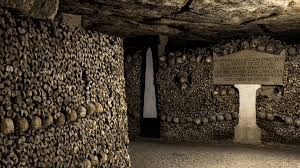
Interior of the Paris Catacombs (taken from the official website)
Valentine’s Day is celebrated around the globe
by Elaina Pitcock and Athena Collier-Buck
Issue 6 (January 2026)

Valentine’s Day is a yearly tradition celebrated in many different areas around the world, including the USA, Brazil, Mexico, and a vast collection of other countries. Though as to how it’s celebrated, there isn’t just one definite answer.
Just like the USA, Valentine’s Day in Italy is celebrated with romantic dinners, love cards, and gifts, but instead of Valentine’s Day, it is known as “La Festa San Valentino.” It is a common tradition for lovers to lock padlocks on bridges, representing unbreakable love and commitment.
Valentine’s Day in South Korea is the opposite of Western tradition. Women give chocolate or gifts to men as a sign of affection, often involving different tiers for crushes, friends, and colleagues. Men have a day called White Day on March 14, a month after Valentine’s Day, where they return the favor and give gifts to the women.
In Finland, people exchange cards with their friends, family, and colleagues. Also including activities like ice skating, shared meals, and exchanging cards. Valentine’s Day in Finland is inclusive for everyone, single or not.
In Ireland, Valentine’s Day is celebrated with large parades, traditional parades and music, and wearing green. Some don’t like large big city crowds and prefer going to a pub, offering traditional food and beer. Valentine’s Day remains a holy day for them, with many people attending church to honor St. Patrick.
Valentine’s Day in Taiwan is celebrated during the Qixi Festival, also known as Chinese Valentine’s Day, on the seventh day of the lunar month, with couples exchanging gifts, dining out, attending fireworks, and visiting romantic spots. Many Taiwanese people also celebrate Valentine’s Day on February 14, in Western culture.
People may be separated by things such as the sea or language, but people can all come together to celebrate holidays and traditions alike. As someone may be building a bouquet and putting on a fancy suit, somebody else will be writing a card or getting ready for a ceremony, perhaps not even celebrating at all. In the end, the only thing that matters is what you call tradition.
Street art in Indiana
by Rositsa Bessetti
Issue 4 (November 2024)
If you have ever walked through Uptown Philadelphia Street in Indiana, you most likely have witnessed a variety of intricate art painted on the side of buildings and on the sidewalks. This specific form of art is called street art. Street art is visual art created in public spaces, often on buildings, streets, and trains. It encompasses a variety of forms such as graffiti, stencils, posters, and sculptures, and while some are unsanctioned, their purpose can range from personal or social commentary to enhancing urban environments.
Every year, the 8th graders at the Junior High school complete a unit where they study different street art and work together to create a poster to put up in the hallways. In the process, they became aware of paintings in Indiana. For example, a giant bear with a burning forest on its back is painted on the back of Fox’s Pizza. It was painted in response to recent wildfires in Canada. Also along Philly St. are multiple hopscotch drawings and stickers placed on the sidewalks. People often engage with them by jumping from square to square.
A more popular example of street art in Indiana, are multiple wings that are painted on the side of a building. Citizens, more commonly teens, stand in front of them and have full-on photoshoots.
Another example of street art that might be out of Indiana is the New York City bull yarn bombing, which happened back during Covid 19. An artist from the area covered the Charging Bull from Wall Street in yarn. However, it was only up for a few hours before it was taken down.
How Veterans Day became a national holiday
by Sienna Taylor, Elaina Pitcock, Athena Collier-Buck
Issue 4 (November 2024)
Veterans Day was created on November 11, 1919, to honor U.S. veterans for their service. It was created by transforming an old holiday into a new one to include all veterans.
In 1919, President Woodrow Wilson proclaimed the first Armistice Day to be on November 11, 1919, marking the first anniversary of the war. In 1954, Armistice Day was replaced with Veterans Day to honor veterans in all wars. The bill was signed by President Eisenhower.
Veterans Day is widely celebrated on November 11th due to the armistice that ended WWl, which was signed during the 11th hour of the 11th day of the 11th month back in the year 1918. Every year, on November 11th, since 1919, Veterans Day is celebrated as a day to remember our veterans and acknowledge world peace, bringing us all together in all different kinds of ways and honoring the people who defended our country during desperate times.
Back in 1918, after World War I,1 the first version of Veterans Day was called Armistice Day. Armistice Day was created to mark the end of WWI, as November 11 was the day the fighting ended. Later, after WWII, it was soon changed to Veterans Day because Armistice Day was established for WWI veterans, so the name change grouped all veterans.
In conclusion, Veterans Day has a rich past. From the reason for becoming a holiday, to its name change later on. Veterans Day is an important holiday to celebrate because it reminds everyone of the past challenges the U. S. faced during WWI and WWII.
Mexico celebrates Dia de los Muertos
by Evelyn Adams and Henrietta Stroup
Issue 4 (November 2024)
Dia de los Muertos is celebrated during the earlier part of November, and is celebrated in Mexico and in most Mexican communities within the United States. While some think it is just a rip-off of Halloween, it is really a way to communicate with your lost loved ones. It’s a way to honor the dead and celebrate with the living. There are many iconic traditions and foods that always have a place in our hearts. Dia de los muertos shows a new way of thinking of death. Instead of a sad occasion, they see it as an eternity of partying!
There are so many different foods and traditions that come along with Dia de los muertos, not to mention that different families have traditions and foods that are special to them, but some of the popular foods that people eat at Dia de los muertos are sugar skulls, pan de muerto (bread of the dead), mole negro (a sauce made with many spices), tamales, red posole (stew with pork and chili broth), sopa azteca (tortilla soup), chapulines (roasted grasshoppers), and chalabaza en tacha (candied pumpkin with brown sugar), and carmel flan (a creamy custard with a layer of carmel). The most important tradition that people use to celebrate Dia de los Muertos are ofrendas (or altars). Ofrendas are used to bring back loved ones from the dead for one night. Because the point of an ofrenda is to bring back your ancestors from the dead, you’re supposed to put items that your ancestors enjoyed when they were alive.
Dia de los Muertos originated in ancient Aztec rituals in what is now Mexico. The Nahua peoples (including the Aztecs) believed that after death, a soul embarked on a journey to the underworld, Chicunamictlán. Offerings of food and water were made to aid them on this challenging journey, a practice that inspired the modern ofrendas (altars with offerings). So, that’s what started people putting out the deceased’s favorite foods and items.
Animals also play an important role in Dia de los Muertos as a way to honor deceased pets, but there are also animals that help deceased relatives come back from the dead to visit their families. One such animal is the Xoloitzcuintle. Dogs were also considered sacred and were known to guide their owners’ spirits to the afterlife, but the Xoloitzcuintle is still the most prominent animal associated with this holiday due to its ancient Aztec origins.
Senora Matko, a Spanish teacher, said, “ I think the two movies, Coco and The Book of Life, help show the cultural value of Dia de los Muertos. People will put their deceased loved ones’ favorite foods and drinks on ofrendas so their loved ones can visit them and enjoy it. While we think of it as a cute celebration, people in Mexico really believe that their relatives come to visit them on Dia de los Muertos.”

Taken by Evelyn Adams. Artboard created by Senora Matko and her Spanish students.
Thanksgiving around the world
by April Cao and Sienna Oaks
Issue 4 (November 2024)
Thanksgiving is a widely celebrated holiday across most of North America, but what is it like for other countries? China has a celebration called “The Mid-Autumn Festival”, and Italy celebrates “La Festa del Ringraziamento” (The Festival of Thanks. There are many other variations of this holiday around the world. The Crimson Arrow interviewed some IJHS students about their Thanksgiving traditions and what they enjoy about the holiday.
The first person we questioned was an eighth grader named Macy Evans. For a tradition they have, they said, “Every other year we go to a cousin’s house to spend time with family.” Next, we interviewed a seventh grader named Abby Griffith about her favorite thing to do on Thanksgiving. “Spending time with family is my favorite thing,” she said. The third person we inquired was Kortlynd Gallo, a seventh grader, to which she said, “No, Thanksgiving is not my favorite holiday.” The final person we talked to was Dylan Petersal, who is in eighth grade. One of her traditions is that, “Every year we make ham instead of turkey. No one in my family eats turkey.”
IJHS students have a lot of traditions and opinions on Thanksgiving, and it is interesting how diverse they are. Although Thanksgiving is not many students’ favorite holiday, it is still very important to them, and they enjoy celebrating it. If you have any Thanksgiving celebrations that are different from these, don’t be afraid to share your ideas with others, because you may find some new connections.

This is a photo of “The Mid-Autumn Festival” (In China) of 2025
USA’s tariffs
by Ava Wissinger and April Cao
Issue 3 (October)
Inflation is rising, and things are getting more expensive. (Seriously, it’s like 700 dollars for groceries now, and that’s not even an exaggeration.) But those who live under a rock may not know what sparked the sudden increase in prices. Well, it’s because of stocks and tariffs, but we’re just going to focus on tariffs, specifically, America’s tariffs.
First, we need to know how these tariffs started. On the 26th of January, just 6 days after he was sworn in, Donald Trump threatened Columbia with a 25% increase after President Gustavo Petro refused to take two planes full of migrants. Columbia followed suit but reversed the decision and accepted the migrants. In February, he signed an executive order to put 10% tariffs on China and 25% on Mexico and Canada, set to go into effect on the 4th of February. Then on the 3rd, the tariffs on Mexico and Canada are put on a 30 day pause as both countries try to appease border concerns. On March 4th, the Mexico and Canada tariffs kick into effect. (He also doubled Chinese tariffs, making them 20%.) Then, on March 12th, he imposed a 25% tariff on all steel and aluminum products (Globally, on every country.) But things started getting worse the following month. Trump’s administration announced on April 2nd that a “reciprocal” tariff, basically putting 10% on all imports from dozens of countries. Then on the ninth, the tariffs were placed on a 90-day pause. On the 28th of May, U.S. trade court ruled that the tariffs were illegal under IEEPA, though the tariffs remained in effect during the administration’s appeal. On June 4th, the steel and aluminum tax was doubled. Then the tariffs from the “reciprocal” went into effect on August 7th. Then, on September 25th, Trump announced tariffs on kitchen cabinets (50%), upholstered furniture (25%), heavy trucks (25%), and certain pharmaceuticals (100%), which went into effect on October 1st. But, on the 9th of September, before the Supreme Court agreed to hear the appeal on Trump’s IEEPA tariff authority in November, which is scheduled to happen on the 5th of November. But now let’s see what students think.
We interviewed several people on their opinion on tariffs, starting with Cyrus, a sixth grader. He stated, “I hate tariffs. They’re just evil taxes. We shouldn’t be taxing other countries.”
The next person we interviewed was a seventh grader, Joselyn Snowball. She shared, “It’s bad for people who have budgets. They’re kind of unnecessary in my opinion.” Finally, we questioned an eighth grader named Kaelyn Jenkins. “Taxes on important supplies aren’t good. I think that if we keep imposing tariffs on other countries, they might stop importing materials to us,” she expresses.
It seems that most people, both influential politicians and just people from our community, all agree that tariffs have a negative impact on our lives. By the time this article is published, several more tariffs will likely go into effect.
“6,7” sweeps America
By Molly Du Plessis, Lenia Ali, and Rositsa Bessetti
Issue 2 (October 2025)
Over the past year, across America, the rising pop cultural movement of “6,7” has created a connection throughout Gen-Z and Gen-Alpha. Kids, especially those in middle school, are the target audience for its popularity, being said day in and day out, almost constantly. The meme “6,7” started as a TikTok that went viral, claiming it to be the height of LeMelo Ball, a famous basketball player. To add on to its reign, another TikTok sound was able to boost its popularity through its obvious lyrics, that can be easily heard and remembered.
The meme consists of two distinct elements. First, there are physical motions. People stick out their hands, palms up, and repeatedly move them up and down. Second, the verbal aspect comprises the words “Six seven,” where the “seven” is elongated and said with enthusiasm.
The “six seven” meme has become so popular, it’s being incorporated into everyday activities and ideas. Things that were once said to be normal, among sports and school, are filled with the continuous usage of the meme. After a touchdown, a football player might celebrate by doing the trend. A school teacher might try to imply it to try to fit in with the younger generations or just in spite to annoy them. Despite dragging out the concept, the yen is not wearing off and is increasingly becoming more and more powerful.
To create a perspective on the situation, a few students from the Indiana Junior High School (IJHS) gave input on what they thought. Simeon Bessetti, to being asked simply asked what he thought about “six, seven”, said “6-7, 6-7, 6-7…” repeatedly, and then walked away in an uncontrollable laugh. “It’s a really super thing to say, very meaningful.” said Natalie Stormer. “‘6-7’ is the reason I want to jam my head into a locker repeatedly,” said Antonion Santiago.
The “6,7” meme has transcended its origins to become a cultural phenomenon among Gen-Z and Gen-Alpha, illustrating how viral trends can shape social interactions and expressions in everyday life. As it continues within schools and beyond, its impact reflects the evolution of youth culture and the power of shared experiences in the digital world.
Popular foods of South America
by Elaina Pitcock
Issue 1 (2025-2026)
South American food is full of flavor and variety, influenced by different cultures like Native, African, and European. From Argentina’s juicy steaks to Brazil’s famous barbecue, each country has its own unique dishes.
Arepas are a food popular in Columbia and Venezuela, usually served as a side dish. Arepas have a crispy exterior and a soft and doughy interior. They are usually served with butter, cheese, or avocado, or split open and filled with ingredients such as meat, beans, eggs, or vegetables.

Arepas (Image from Google)
Empandas are popular all in South America and served as a main or side dish. Empandas are hand held pies made from filled dough usually folded. Popular fillings include chicken, ground beef, and cheese, as well as sweet fruit and cream filling.
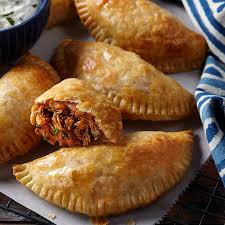
Empandas (Image from Google)
Chivito is Uruguay’s national dish and is usually served as a main dish. Chivito is a colossal steak sandwich piled with grilled steak, ham, bacon, melted mozzarella, fried egg, lettuce, and tomato on a large bun. It is known for its high quality ingredients including grass fed beef, and is also served with a variety of condiments like mayonnaise and sometimes olives or pickles.

Chivitos (Image from Google)
Lomo saltado is a Peruvian stir-fry dish that uses Chinese cooking styles. Lomo saltado combines marinated strips of beef, aji amarillo, onions, and tomatoes all tossed with soy sauce or vinegar, usually served with a side of french fries and fried rice. The dish is known for its balance of flavors like savory, spicy, and tangy.
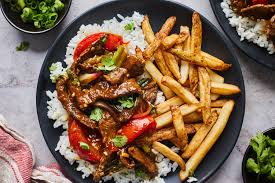
Lomo Saltado (Image from Google)
South American food is a rich blend of flavors and traditions. With so many unique dishes to explore, it’s a cuisine that truly reflects the diversity and culture of the continent. Whether people are fans of savory, sweet, or spicy, there’s something for everyone to enjoy.
April Fool’s Day throughout the world
by Harlan Vick
April 11, 2025 (Issue 9)
We are coming into spring now, and with it comes April Fools. This infamous and ancient holiday of trickery has been renowned across the world for its strange celebrations. It is one of the most important holidays in many countries.
April Fool’s is an extremely old holiday; it started over two thousand years ago in the Pacific island of Motunui. Long ago in Motunui, there was an extremely self-obsessed and exceedingly cruel tyrant. The islanders despised their ruler, so on April 1, they made a cake and put poison in it, then they gave it to the ruler. He enjoyed the cake greatly, but died just days after. That day was made a holiday, and it slowly spread throughout the world, becoming the April Fools we know.
Today, April Fool’s Day is celebrated throughout the world in many different forms. In America, it is defined by silly jokes and pranks. While in French-speaking countries, the day is often known as April Fish, and people will stick a paper fish to the recipient’s back. And in Ireland, the prank letters are very popular. There are also significant celebrations throughout the Middle East and beyond; however, many of these are celebrated on days close to April 1st but not precisely.
All in all, April Fool’s is a fascinating and enticing holiday that has been celebrated for many generations throughout the world. Let’s hope that this holiday with a fantastic history will be celebrated for many years to come.
 jhcrimsonarrow.com